logo-rtr

Save with group discounts! See More

Practicum: Teaching Lab

Teaching Lab Practicum

Whether you’re a seasoned classical educator or new to the classroom, this session will provide you with the wisdom and tools to serve every student well.

Pre-conference | Wednesday, June 24 | 9:00 AM to 4:00 PM
Practicums are offered in-person only.

Overview

ACCS is pleased to reprise this valuable practicum that offers practical experience in evaluating lessons.

What’s the difference between a great lesson and a middling lesson? How do we offer teachers the kind of feedback that encourages excellence in our classrooms? Participants in this practicum will learn what to look for in a lesson, and how to offer feedback on what they see. They will develop an eye for distinguishing effective lessons from ineffective ones, and they will build a vocabulary that helps them articulate this difference to their colleagues. This practicum is for administrators who are responsible for assessing the quality of classroom instruction. It is also for teachers who want to hone their craft. All participants will come away with practical tips about how they might implement teaching lab exercises in their own schools.

Our experienced facilitators have assessed classroom lessons in dozens of ACCS schools around the country. They will lead you through the process of classroom observations and help you deliver effective feedback.

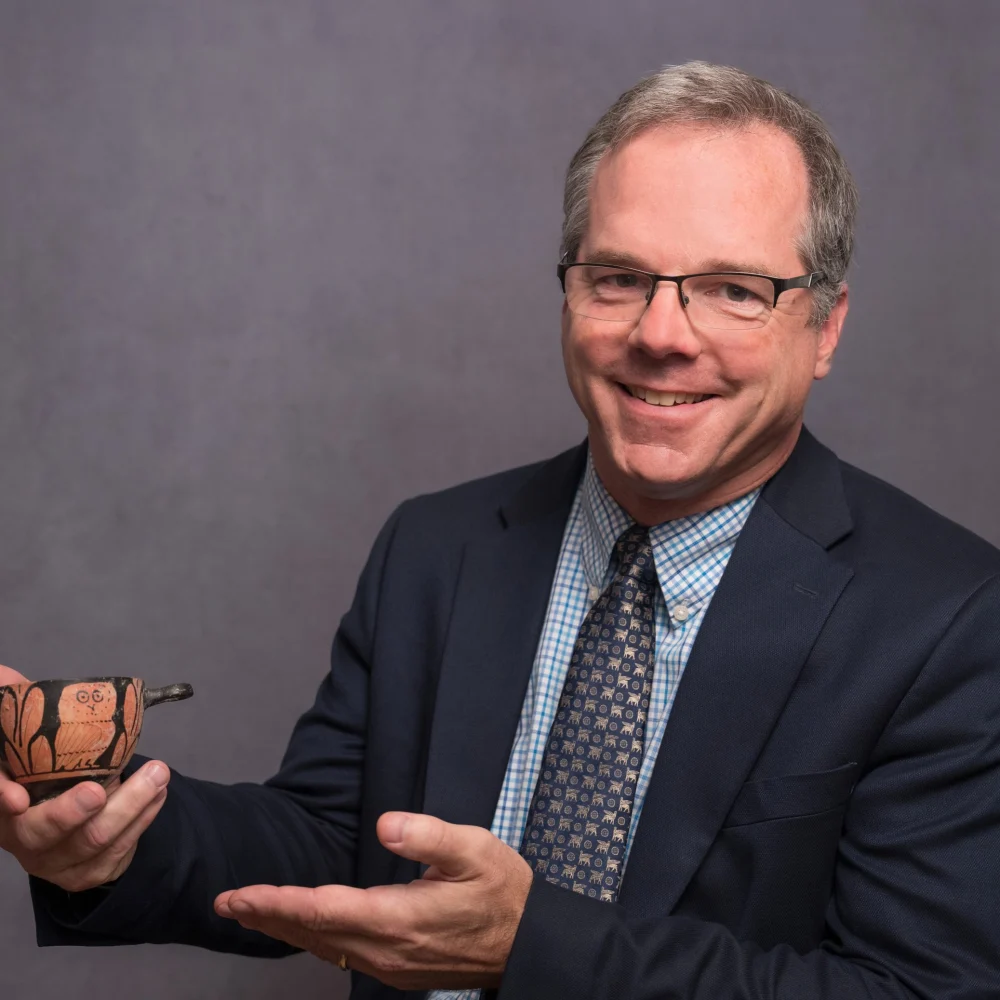
Who is leading this practicum?

Why this Practicum?

The scriptures urge educators to maintain high standards of excellence. We do so by subjecting our work to the scrutiny of others, and by receiving correction, lest we become wise in our own eyes (cf. James 3:1, 2 Corinthians 10:12, Isaiah 5:21, Pr. 27:17). This practicum puts this principle into practice with classroom simulations.


Ancient educators insisted that excellence comes about by theory, imitation, and practice. So it is with the art of teaching. Teachers excel when they adopt sound principles of pedagogy (theory), when they observe other teachers who model those principles, and even those who come up short (imitation), and when they implement them in their own classroom lessons (practice). This practicum breathes life into theory by providing a unique venue for imitation and practice. It places actual teachers in a simulated classroom setting where they teach actual lessons and receive input. While no simulation can fully replicate an actual classroom, it captures enough real-world elements to hold value for training. Indeed, simulations have proven effective to serve professionals in a variety of callings, including athletes, business executives, pilots, soldiers, emergency first-responders, lawyers, and physicians, to name just a few. Why not teachers?


This practicum is not for the faint of heart. But neither is teaching! Participating teachers must prepare beforehand, then come to the practicum and deliver, where they receive feedback. If the prospect of facing criticism makes us squeamish, then consider how often we teachers pass judgment upon our own students. (Indeed, we must judge our students; for how else do we lead them to recognize a difference between where they are today and where they could be tomorrow?) We of all people—we who routinely scrutinize our own students—should gladly subject ourselves to the scrutiny of others. The best critic is one who receives criticism well. Besides, we should not take ourselves too seriously. We elevate our standards and improve our practice only if we are willing to face our own shortcomings so that we might overcome them.


This practicum serves administrators by supplying them with models for teacher observation and review. It will develop their eye for seeing and differentiating between teaching practices that are more or less effective in the classroom, and it will equip them with a vocabulary to support the constructive feedback they must provide to the teachers they lead back in their own schools. For administrators are ultimately responsible for student engagement and learning.


This practicum helps teachers hone their craft. It does so by subjecting their own classroom practice to a review from experienced mentors, and also by observing and reviewing the classroom performances of other colleagues—and all the better that these colleagues come from different schools around the country. Teachers learn the most about teaching by carefully observing other teachers at work, and by being observed themselves. Just what should we be looking for during these observations? Participating teachers will improve their “situational awareness” and grow in self-assessing their classroom practice, thereby progressing toward the ultimate goal of improved student learning. Teachers, please participate! We especially encourage new (or newish) teachers to join in, though we also welcome more experienced teachers who wish to up their game.


This practicum serves our entire movement by identifying key principles and practices of effective teaching. It draws classroom teachers out of their local school contexts and brings them together into one room where their lessons are observed and discussed–thereby supplying a forum where best classroom practices can be identified and disseminated. It also models a teacher training exercise that can be replicated with faculty members in any local school.
Register Now Before Prices Increase

Don’t Just Attend Repairing the Ruins. Leave Equipped.

The Concordis Teacher Training Boot Camp gives classical Christian educators focused, practical training they can carry straight into the classroom.
 
Choose your pathway, learn from seasoned practitioners, and receive a Paideia Pathway Certificate toward ACCS Accreditation.

Practicum: Teaching Lab

Practicum: Teaching Lab

Teaching Lab Practicum

Whether you’re a seasoned classical educator or new to the classroom, this session will provide you with the wisdom and tools to serve every student well.

Pre-conference | Wednesday, June 24 | 9:00 AM to 4:00 PM
Practicums are offered in-person only.

Overview

ACCS is pleased to reprise this valuable practicum that offers practical experience in evaluating lessons.

What’s the difference between a great lesson and a middling lesson? How do we offer teachers the kind of feedback that encourages excellence in our classrooms? Participants in this practicum will learn what to look for in a lesson, and how to offer feedback on what they see. They will develop an eye for distinguishing effective lessons from ineffective ones, and they will build a vocabulary that helps them articulate this difference to their colleagues. This practicum is for administrators who are responsible for assessing the quality of classroom instruction. It is also for teachers who want to hone their craft. All participants will come away with practical tips about how they might implement teaching lab exercises in their own schools.

Our experienced facilitators have assessed classroom lessons in dozens of ACCS schools around the country. They will lead you through the process of classroom observations and help you deliver effective feedback.

Why this Practicum?

The scriptures urge educators to maintain high standards of excellence. We do so by subjecting our work to the scrutiny of others, and by receiving correction, lest we become wise in our own eyes (cf. James 3:1, 2 Corinthians 10:12, Isaiah 5:21, Pr. 27:17). This practicum puts this principle into practice with classroom simulations.


Ancient educators insisted that excellence comes about by theory, imitation, and practice. So it is with the art of teaching. Teachers excel when they adopt sound principles of pedagogy (theory), when they observe other teachers who model those principles, and even those who come up short (imitation), and when they implement them in their own classroom lessons (practice). This practicum breathes life into theory by providing a unique venue for imitation and practice. It places actual teachers in a simulated classroom setting where they teach actual lessons and receive input. While no simulation can fully replicate an actual classroom, it captures enough real-world elements to hold value for training. Indeed, simulations have proven effective to serve professionals in a variety of callings, including athletes, business executives, pilots, soldiers, emergency first-responders, lawyers, and physicians, to name just a few. Why not teachers?


This practicum is not for the faint of heart. But neither is teaching! Participating teachers must prepare beforehand, then come to the practicum and deliver, where they receive feedback. If the prospect of facing criticism makes us squeamish, then consider how often we teachers pass judgment upon our own students. (Indeed, we must judge our students; for how else do we lead them to recognize a difference between where they are today and where they could be tomorrow?) We of all people—we who routinely scrutinize our own students—should gladly subject ourselves to the scrutiny of others. The best critic is one who receives criticism well. Besides, we should not take ourselves too seriously. We elevate our standards and improve our practice only if we are willing to face our own shortcomings so that we might overcome them.


This practicum serves administrators by supplying them with models for teacher observation and review. It will develop their eye for seeing and differentiating between teaching practices that are more or less effective in the classroom, and it will equip them with a vocabulary to support the constructive feedback they must provide to the teachers they lead back in their own schools. For administrators are ultimately responsible for student engagement and learning.


This practicum helps teachers hone their craft. It does so by subjecting their own classroom practice to a review from experienced mentors, and also by observing and reviewing the classroom performances of other colleagues—and all the better that these colleagues come from different schools around the country. Teachers learn the most about teaching by carefully observing other teachers at work, and by being observed themselves. Just what should we be looking for during these observations? Participating teachers will improve their “situational awareness” and grow in self-assessing their classroom practice, thereby progressing toward the ultimate goal of improved student learning. Teachers, please participate! We especially encourage new (or newish) teachers to join in, though we also welcome more experienced teachers who wish to up their game.


This practicum serves our entire movement by identifying key principles and practices of effective teaching. It draws classroom teachers out of their local school contexts and brings them together into one room where their lessons are observed and discussed–thereby supplying a forum where best classroom practices can be identified and disseminated. It also models a teacher training exercise that can be replicated with faculty members in any local school.